The Dreamer and the Survivalist

Kevin Doran
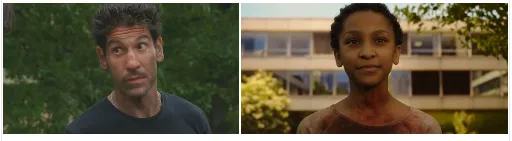
Most post-apocalyptic shows are driven by a relationship between two characters.
The survivalist: realist, intense, brutal, reality thinker. Mostly anxious. “Don’t trust anybody. No new people. Do what’s necessary.”
And the dreamer: hopeful, wants to build relationships, trust first. Often happy. “We need a future.”
The plot generally moves to reveal that both perspectives are needed. Without hope, nobody wants to survive.
Without the survivalist, the squad gets eaten by cannibals.
I think making plans for software is the same.
Whenever I look at a plan of any kind — a ticket, an email idea from a client, an entire product backlog or quarterly roadmap — I try to remember both hats.
[me, to myself in sprint planning] “Looking at this auth-wall, what would Shane-from-The-Walking-Dead say? How would Melanie-The-Girl-with-All-the-Gifts respond?”
Yet a startup-killing problem can be the nature of the relationship between the Dreamer & the Survivalist.
Often, the Dreamer is closer to the clients. Sales, CEO, client, PM.
And the Survivalist is closer to the machine: programmers.
But, not always. And to complicate things, people flip roles all the time.
What’s scary is when you see me, the programmer, playing the Dreamer.
We often do this from two places:
- Pure, raw ego: “that doesn’t sound like very much work. I could knock that out in an hour.”
- Because we love building. We want to build.
Regardless of which, it’s scary because we often know where the “bad things” are. We can read those API docs in the Zoom developer portal.
The non-programmer may not be able to. But, they can watch us work, and see how long things really take us to build.
When both parties dream and forget to think about survival, the Bad Things come.
When both are total realists, all the creativity & excitement dies.
If we remember to flip hats, we keep building.
Things work out fine 🦛✨👾💻🌴